


Awards aren't vanity. They're evidence.
You can tell people you're the best at what you do for a decade and get nowhere. An independent panel says it once and everything changes.
That's the whole mechanic. An award is a third party putting their name to your competence — and third-party proof moves faster, travels further and survives scrutiny in a way that self-promotion never will.
Winning is not luck and it is not a popularity contest. It is a discipline: choosing the right categories, finding the evidence you've forgotten you have, and writing it so a tired judge on submission forty-one sits up.
I spent 13 years in criminal intelligence building evidence files that had to stand up under pressure. An award submission is the same job with a friendlier audience.
The short version: I find the proof, I build the case, judges do the rest.
One application can change your business.

How a win gets built
01. The evidence interview
A 90-minute session where I go looking for what you've stopped noticing — the growth figure, the client outcome, the risk you took, the thing you think is normal that is genuinely rare. Most people undersell themselves by a factor of three.
02. Category strategy
The single biggest reason good businesses lose is entering the wrong category. I map the awards worth your time, read the judging criteria properly, and put you where you can actually win — not where it sounds most impressive.
03. The submission
Written to the criteria, backed by numbers, structured so a judge scoring forty submissions in a weekend can find your case in seconds. Detailed draft back to you within five business days, with supporting material.
04. Cash in the win
A trophy on a shelf is a waste. Finalist and winner announcements are visibility events — press, social, sales collateral, speaking pitches, the lot. This is where an award stops being decoration and starts compounding.

Let’s Get Your Award Journey Started
The Edit
You've written it — sharpen it
$330
One-time payment
Got a draft that needs teeth? I review it line by line, audit it for gaps against the criteria, and leave expert comments that make judges sit up.
Line-by-line review against judging criteria
Gap audit — what's missing, what's weak
Tracked comments you can action yourself
Best for applications that have placed before
The Full Write
Hand it over entirely
$1,200
One-time payment, per application
Your whole submission, written from scratch by the team that has won more than 200 of these. You talk. We build the case.
90-minute evidence & strategy interview
Category selection — where you can actually win
Full submission written start to finish
Detailed draft within 5 business days
Supporting material prepared with it
Award Writer
On Retainer
Your in-house awards function
$350/ month
12-month term · from $6,000/yr
Stop treating awards as a once-a-year panic. I sit inside your business as your award writer, running a planned calendar of submissions across the year.
Annual awards calendar, mapped and prioritised
Up to ten full submissions per year
A living evidence file, updated as you go
Announcement and PR support on every result
Direct access — no queue, no ticket system
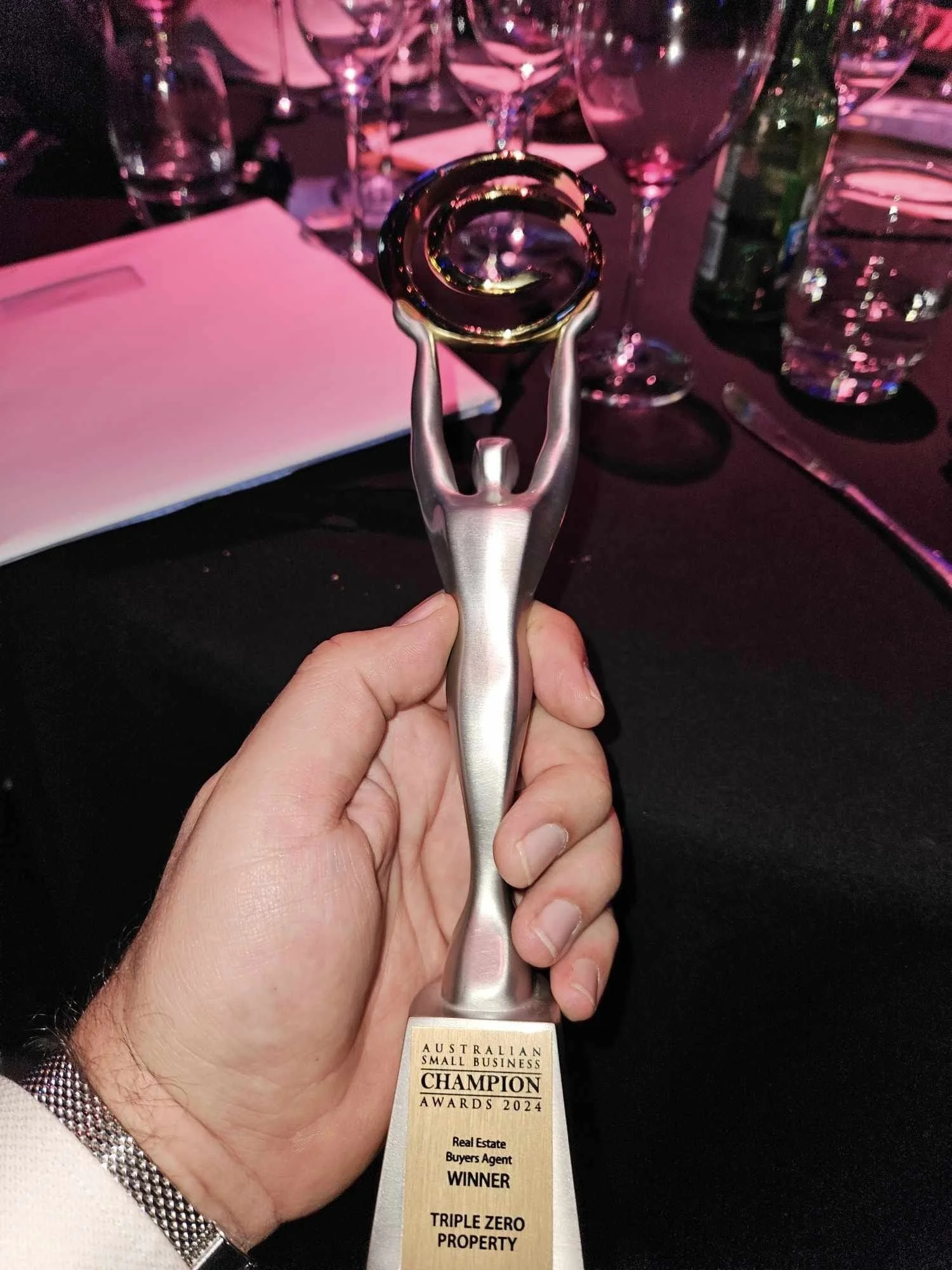
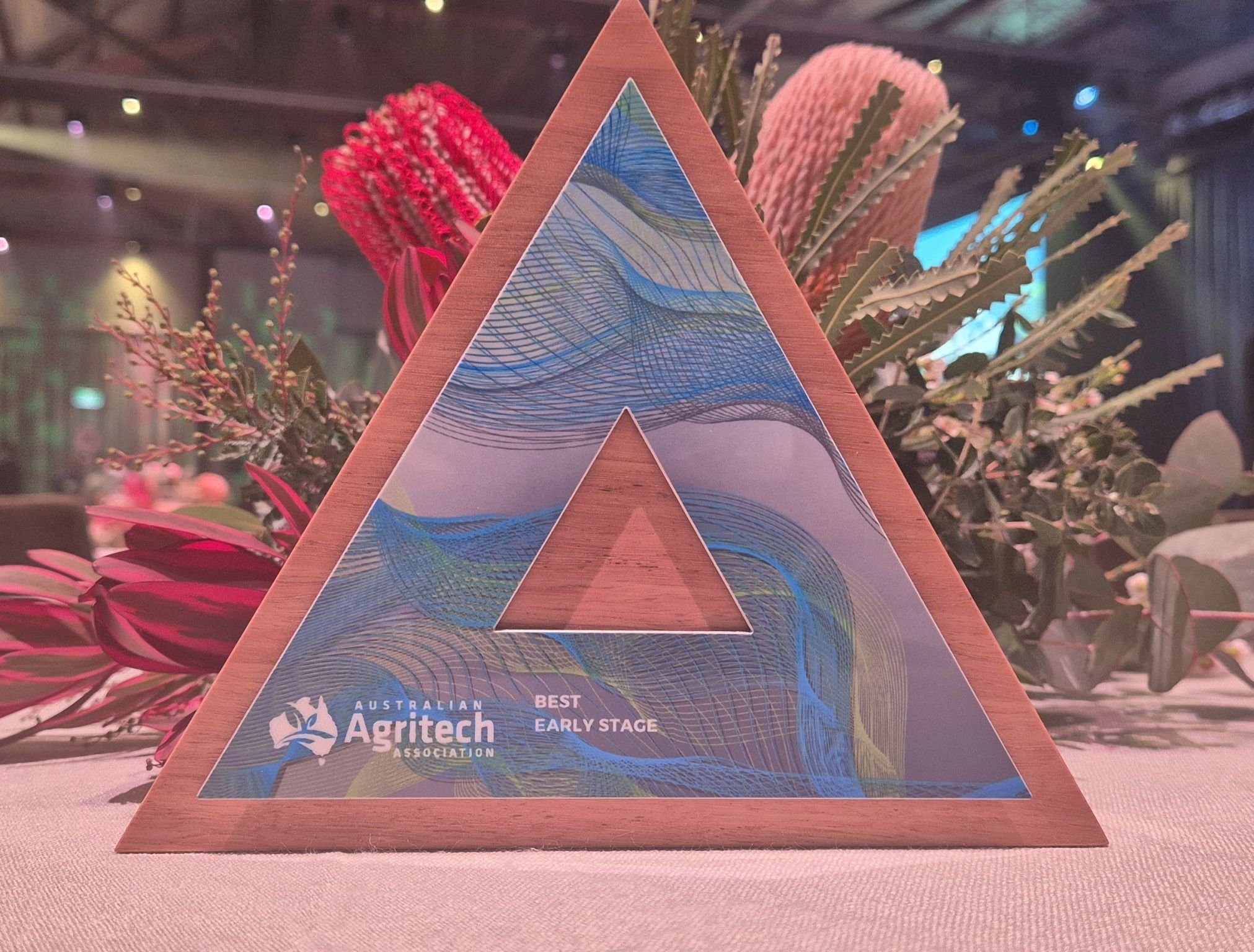
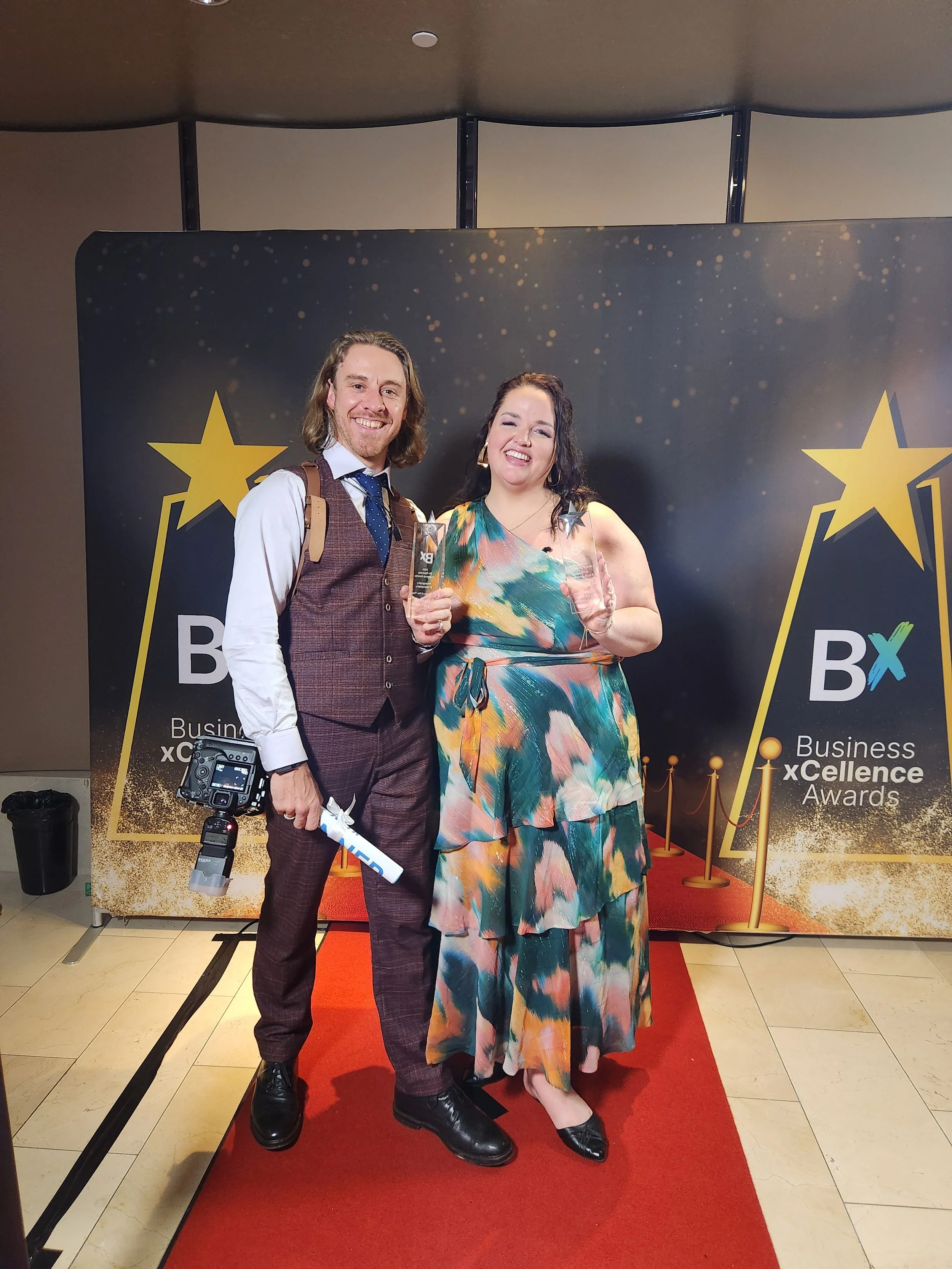
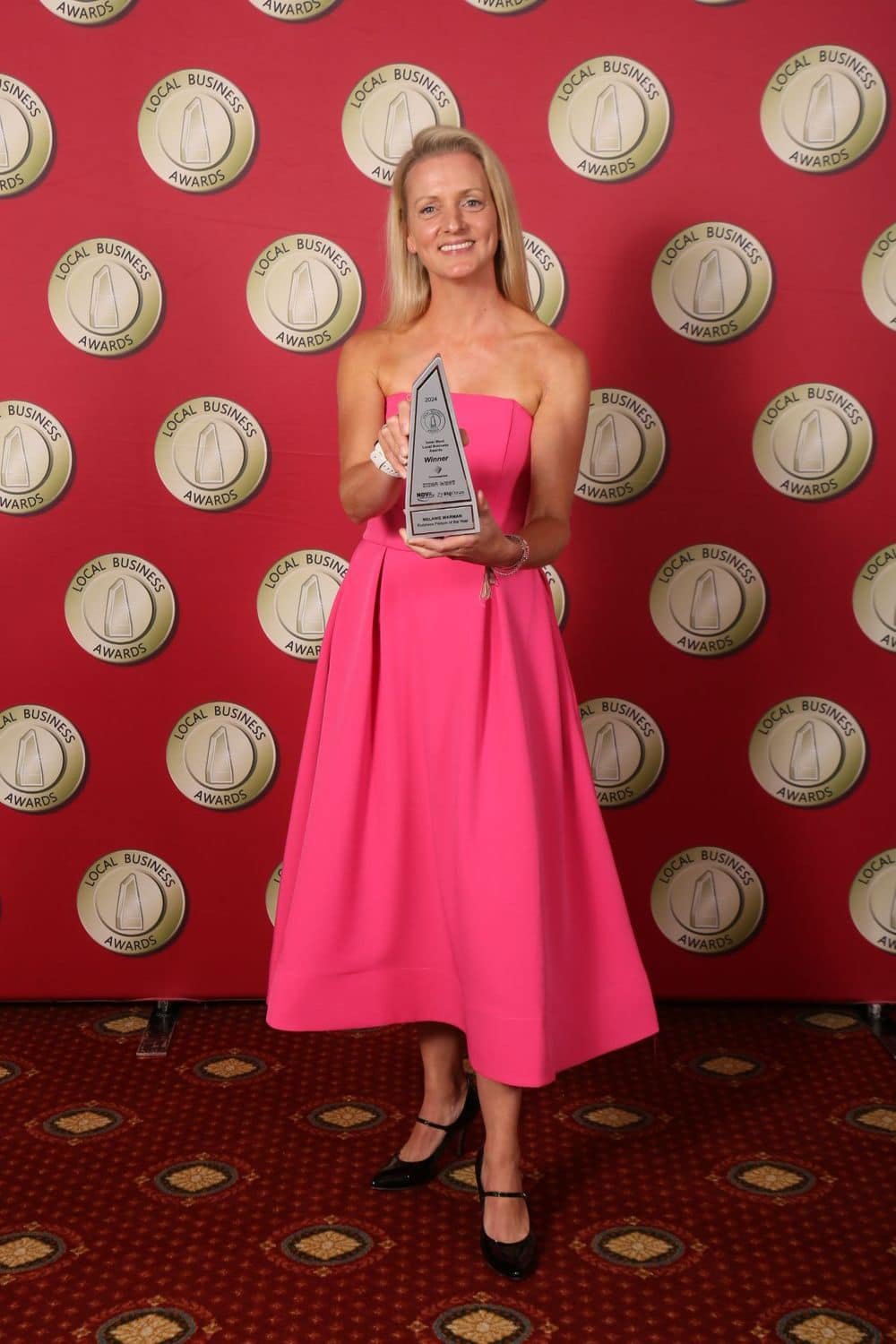
The Receipts. Stages, trophies, headlines.




















Before you ask: The honest answers

-
No, and be suspicious of anyone who does — judging panels are independent, which is the entire reason an award is worth having.
What I can tell you is the record: more than 200 wins and a 100% finalist rate. I won't take on a submission I don't think can place.
-
This is the single most common thing I hear, and it's almost always wrong. Most people are sitting on evidence they've normalised — growth rates, retention, a pivot they survived, an outcome for a client that would stop a judge cold. Finding it is the job.
-
For the full write: one 90-minute interview, then a review of the draft. That's it. On retainer it's a short check-in each month so the evidence file stays current. The writing is not your problem.
-
That's the strategy half of the work and it matters more than the writing. Wrong category, brilliant submission, no result. I map what's worth your time against where you can realistically win.
-
Because one-off entries are reactive and awards reward a campaign.
The retainer buys a mapped calendar, a maintained evidence file and someone chasing deadlines you'd otherwise miss — at roughly half the one-off rate across a year.